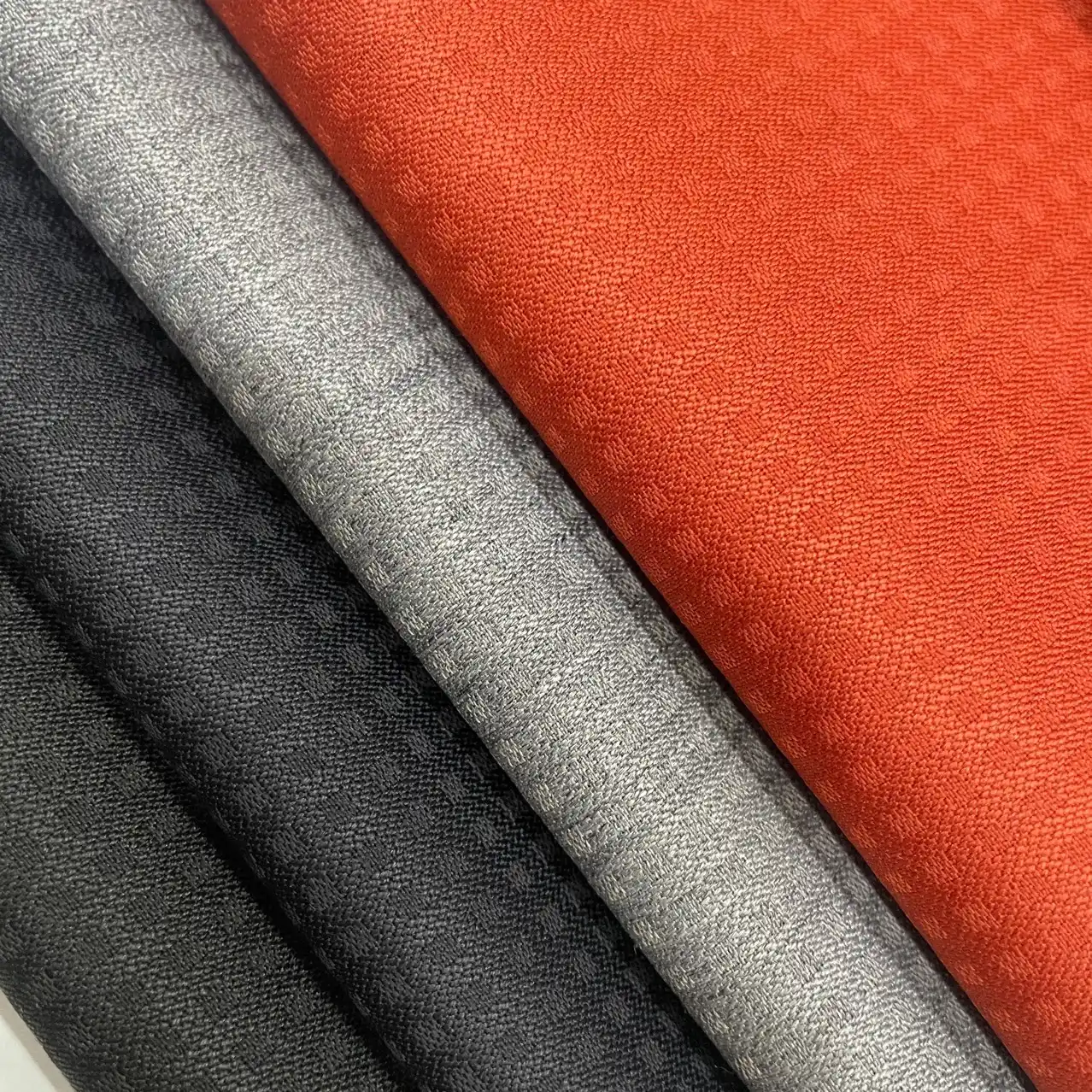
Autumn And Winter Wool Fabric
Oct 01, 2026
Leave a message
Wool and wool-blend fabrics, combining warmth, texture, and skin-friendly touch, are experiencing a surge in inquiries at China Textile City as the peak autumn-winter shopping season approaches. With upgrades in composite functionalities such as anti-pilling, anti-static properties, and machine-washability, coupled with the advantages of flexible supply chains-maintaining inventory reserves and enabling fast response to small orders-high-quality wool fabrics continue to capture market share. This effectively counters the pressure of low-end commodity oversupply, leading to a simultaneous recovery in domestic and export orders. The Cixi wool textile industry is demonstrating a clear trend of structural upgrading.
Concentrated release of peak season demand, leading the way in segmented categories
Entering the autumn and winter procurement cycle, the textile specialty area of Light Textile City is full of goods, and new products with hanging samples continue to be released. Double sided woolen fabric, smooth woolen fabric, coarse woolen fabric, fine spun wool, Tencel wool blend and other fabrics have become the focus of attention for domestic and foreign buyers. The market transactions show a parallel pattern of large and small orders, and differentiated fabric sales are significantly better than ordinary bulk fabrics.
In the autumn and winter coat track, thick double-sided woolen fabric, granular cashmere, and Albaca alpaca blended fabric are highly popular. Popular color series such as camel, oat, retro wine red, and military green are well stocked, and the fabric weight range is rich, balancing heavy warmth and lightweight drape. It is the core choice for light luxury women's clothing and coat brands. In the business formal wear sector, there is a stable demand for fine spun wool and wool polyester blended woolen fabrics. High count wool fabrics with strong twist and wrinkle resistance are suitable for making suits, suits, and windbreakers. They are stiff and not easily deformed, and are highly favored by domestic clothing brands for procurement. For lightweight autumn and winter wear, Tencel wool and acetate wool thin blend fabrics continue to be popular, taking into account the characteristics of softness, skin friendliness, and easy maintenance, suitable for women's outerwear, dresses, and interior clothing.
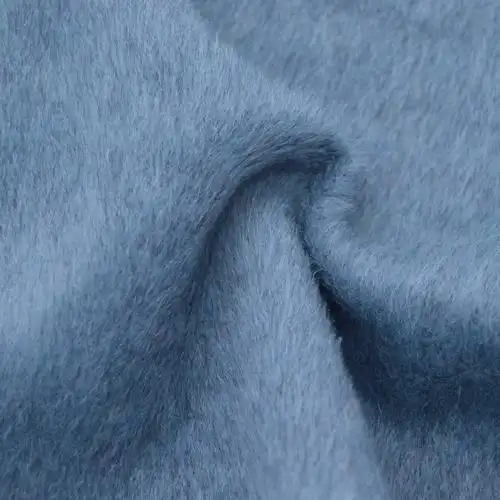
At the same time, the application boundaries of wool fabrics are constantly expanding. In addition to traditional ready to wear clothing, the procurement proportion of home soft furnishings such as soft bags, blankets, and decorative cloaks continues to increase, further opening up market demand space. From the perspective of order structure, domestic e-commerce and second batch customers mainly focus on small-scale trial orders and repeat orders; Foreign trade merchants place greater emphasis on the functionality, color fastness, and environmental friendliness of fabrics, resulting in a steady increase in inquiries for high-quality blended fabric exports.
Source enterprise process iteration, flexible digitalization to solve industry pain points
Faced with strong market demand, a group of original wool textile enterprises in the Textile City have leveraged their advantages in the entire industry chain, jumped out of the low price competition quagmire, and achieved quality upgrades from multiple dimensions such as raw materials, processes, and services. The enterprise connects the complete chain of raw material screening, fabric weaving, environmentally friendly dyeing, finished goods in stock, and customized sampling, providing services to domestic brand merchants, e-commerce second batch, and cross-border foreign trade customers.
In response to the common problems in the industry, such as shedding hair, pilling, rough hand feel, fabric homogenization, and insufficient color fastness, enterprises optimize production paths from the source. Selecting high-quality wool and modified functional blended materials, matched with fine processing techniques such as perming and combing, anti pilling and shaping, anti-static finishing, and active environmentally friendly dyeing, effectively improving the physical properties of the fabric and enhancing the stability of the finished product.
At the product and service level, most large-scale enterprises have hundreds to thousands of fabric color card samples stored in their exhibition halls, with sufficient spot inventory. They can not only undertake large-scale whole order supply, but also respond to small batch and multi color quick response urgent orders. Digital tools are also deeply integrated into the business process. With the help of AI fabric material library and garment simulation rendering tools, fabric sampling and effect preview can be quickly completed, connecting the collaborative link between fabric manufacturers and clothing designers, shortening the supply and demand docking cycle, and improving the efficiency of sampling and selection
The industry trend is clear and bright, with functionality, flexibility, and green becoming the main development lines
The current autumn and winter wool fabric market in the Textile City has bid farewell to the old model of simply competing on prices, and the industry has entered a new stage of structural upgrading, with three major trends becoming increasingly clear.
Firstly, normalization of functional blending. Consumers' demand for easy to care for fabrics has increased, and the demand for wool blended fabrics with additional properties such as machine washability, anti-static, heat storage, and warmth retention continues to rise. High grade high-quality wool raw materials are constantly replacing low-end inferior yarns, and simple low-priced monetary profits continue to be compressed.
Secondly, the procurement model is shifting towards flexible quick response. The trend of fragmented orders for downstream clothing brands and e-commerce customers is significant, with a decrease in large quantities of long orders and a continuous increase in the proportion of small orders, urgent orders, and repeat orders. Source enterprises with complete production chains and the ability to achieve fast sample delivery have more market initiative.
Thirdly, green manufacturing has become a hard barrier for foreign trade. The overseas market continues to increase its requirements for environmentally friendly and traceable fabrics. Environmentally friendly dye processes, GRS recycling certification, and responsible wool traceability systems have gradually become essential conditions for foreign trade orders, forcing local wool textile enterprises to upgrade their green production systems.
Relying on the complete supporting infrastructure of the wool textile industry cluster in Keqiao, digitalization and greening will continue to drive industry transformation. Market merchants leverage the digital support of the textile city industry to reduce the costs of fabric research and development, material production, and trend analysis; The enterprise continues to deepen the research and development of recycled wool and functional wool fabrics, integrating digital technology and green production throughout the entire production process, continuously strengthening the global supply chain competitiveness of Keqiao Woolen Industry, and promoting the high-quality and long-term development of the autumn and winter woolen textile sector.